
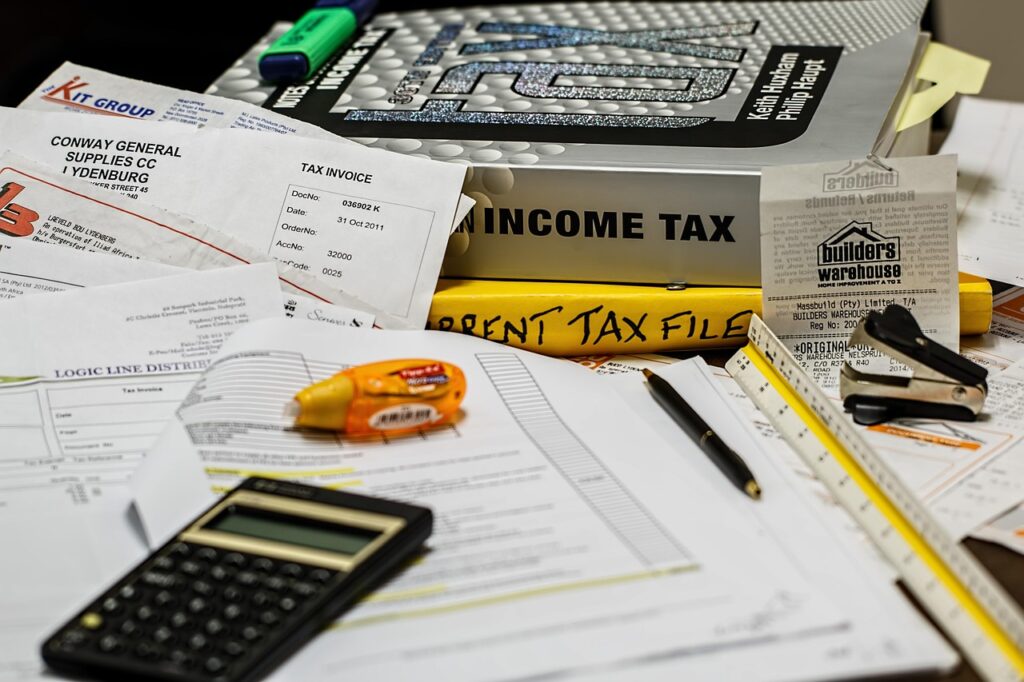
A letter from the Canada Revenue Agency (CRA) asking about a tax return or transaction does not automatically mean that you have done something wrong. A review may focus on particular claims or entries, while an audit can examine records and reporting more broadly. In either case, read the request carefully, note the response date, and address what the CRA has actually asked for.
Read the request and set up a record list
Identify the tax year or reporting period, the items under review, the documents requested, and the deadline. If the request is unclear or you need more time to gather records, contact the CRA using the details in the letter before the due date. Keep a copy of the request and a note of any conversations, including dates and reference numbers.
Make a checklist that links each question to the documents that support your answer. Depending on the issue, that may include invoices, receipts, contracts, bank statements, mileage records, payroll summaries, GST/HST returns, or explanations of how an amount was calculated. For business expenses, records should help show what was purchased, when, the amount paid, and how it relates to earning business income.
Prepare documents that tell a clear story
Gather original records or clear copies and organize them by the CRA’s question or by date. Make sure totals in summaries reconcile to your bookkeeping and filed return. If a document is missing, do not create or alter a replacement. Explain what is unavailable and provide other relevant evidence where possible.
Receipts captured by phone can be useful, but keep them legible and connected to the correct transaction. For meals, travel, vehicle use, or mixed personal and business expenses, provide the calculations and records used to determine the business portion. A short, factual explanation can make a set of documents easier to understand; avoid adding unrelated material that does not answer the request.
Review before you respond
Before sending anything, check that:
- Every requested item has a response or an explanation.
- Dates, amounts, and totals agree across supporting records.
- Copies are readable and saved with the CRA’s letter.
- You have kept a complete copy of the response and proof of submission.
Do not ignore a request because you expect the CRA to follow up. If you find a possible error while preparing your response, get advice before deciding how to address it. Keep business records for the applicable retention period; CRA generally requires records to be kept for six years, with rules that can vary in specific situations.
If you receive a CRA review or audit request, get in touch to discuss the records and response process.
This article is general information, not financial advice, and it may not reflect the latest rules or your own situation. Talk to Ledgerline Accounting about your circumstances before acting on it.