
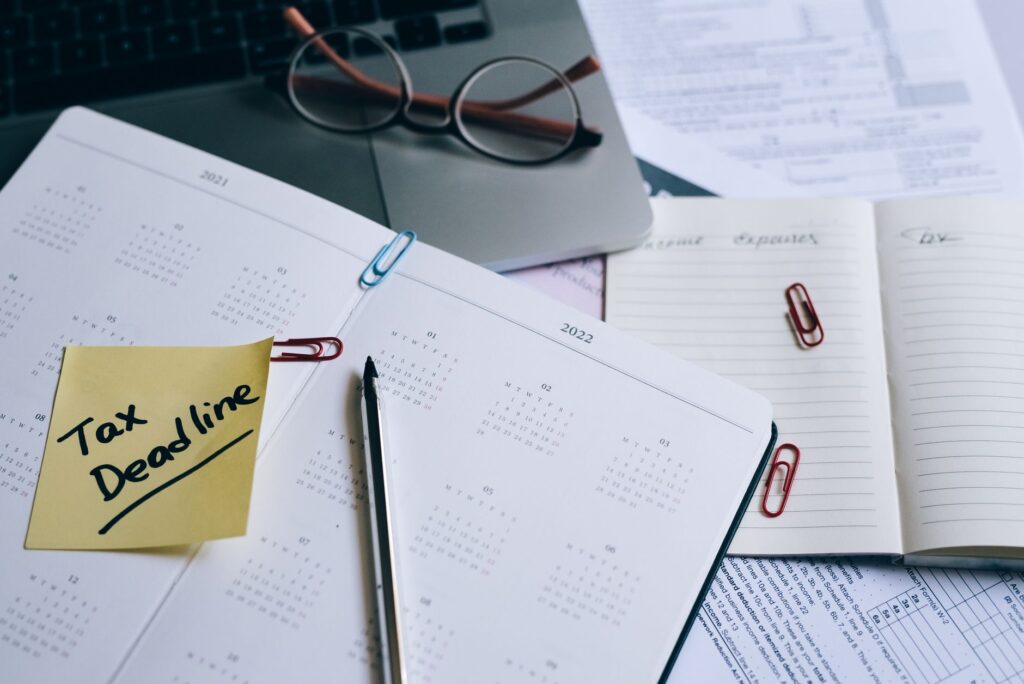
Small businesses do not share one tax deadline. Your dates depend on whether you operate as a sole proprietor or corporation, your fiscal year, and the reporting schedules assigned to your GST and payroll accounts. A simple calendar that separates filing dates from payment dates can help prevent missed obligations.
Income tax dates depend on business structure
If you are a sole proprietor, business income is generally reported on your personal T1 return. Self-employed individuals usually have until June 15 to file, but any balance owing is generally due by April 30. That means filing later does not give you extra time to pay. If you have a spouse or common-law partner who is self-employed, their filing date may also be June 15, while the payment date remains important.
A corporation files a T2 return within six months after its fiscal year-end. The tax balance is generally due sooner: often two months after year-end, or three months for certain eligible Canadian-controlled private corporations. Eligibility has conditions, so confirm the payment date with your accountant or the Canada Revenue Agency (CRA) rather than assuming the longer period applies.
Track GST, PST, and payroll separately
Your GST/HST return and payment deadlines depend on your reporting period and business type. Many monthly or quarterly filers have one month after the period ends, while annual filers can have different filing and payment dates. In particular, some individuals with a December 31 year-end have a later filing deadline but still need to pay by April 30. Check the due date shown for your CRA account and keep money collected for GST separate from operating funds.
In British Columbia, PST filing dates depend on the reporting frequency assigned to your account. Use your provincial account or notice to confirm the due date for each return. Payroll remittances have their own schedule, which CRA assigns based on factors such as your remittance history. A missed remittance can lead to penalties and interest, so do not rely on a general calendar date.
Build a calendar you can actually use
At the start of each year, record your fiscal year-end, tax instalment dates, GST and PST periods, payroll remittances, and personal tax dates. Set reminders several business days before each deadline so there is time to review records and arrange payment. Update the calendar whenever CRA or the province changes your assigned reporting frequency.
- Check CRA My Business Account for corporate, GST, and payroll due dates.
- Check your BC PST account for its filing schedule.
- Keep confirmation numbers and copies of filed returns with your bookkeeping records.
If you are unsure which dates apply to your business, get in touch and we can help you clarify the calendar.
This article is general information, not financial advice, and it may not reflect the latest rules or your own situation. Talk to Ledgerline Accounting about your circumstances before acting on it.